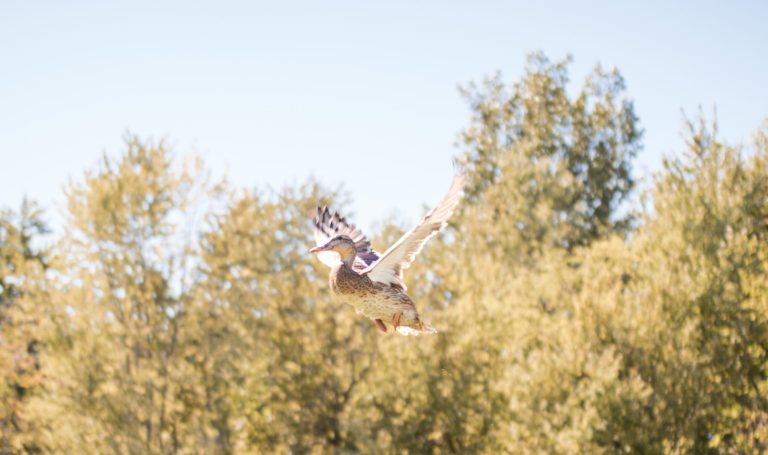
Rediscovering the Jack Miner Migratory Bird Sanctuary, 120 years after the first geese landed.
Tucked away on a quiet road in Kingsville, Ontario, sits a sanctuary that has lived in the memories of the local community for generations. “I think I went there on a field trip once” is the usual response when you mention the name Jack Miner, but for many, that name means so much more. Spread across 450 acres, the Jack Miner Migratory Bird Sanctuary is one of North America’s oldest continuously operating private bird sanctuaries, and it was once rated the second greatest tourist attraction in Canada, behind only Niagara Falls.
The DRIVE Magazine team recently took a “field trip” of our own to rediscover the historic site, and from the moment we stepped off the bus, we were giddy kids again. Mel excitedly asked about Ty Cobb Field, built for one of Jack Miner’s best friends, Baseball Hall of Famer Ty Cobb. We oohed and aahed over the story of a black duck named Katie (ask about her next time you’re there), and the whole team got to take part in bird banding and release the ducks back into the wild. The sanctuary from our childhood memories still knows how to take us back.
It started with a pond. In 1904, Jack Miner dug one on his family’s farm and waited. He was a former market hunter and renowned hunting guide with only a few months of formal schooling. It took four years before the first eleven Canada geese trusted the water enough to land. In time, the Sanctuary was drawing migrating birds by the tens of thousands, proof that a refuge could attract and sustain waterfowl in great numbers.

Miner wanted to know where his birds went when they left, so he started putting bands on their legs. His first ducks had names, like Polly, Delilah and Susan, and when they came back to his pond the next season, he had his answer. Before long he was stamping scripture onto the bands, sending small messages across the continent on the legs of geese. His banding records helped shape the first international treaty to protect migratory birds. In 1943, King George VI awarded him the Order of the British Empire for “the greatest achievement in conservation in the British Empire.” He was so sought after as a speaker that more than 4,000 scheduled engagements had to be cancelled after his death in 1944. “At one point, he was more famous than the Prime Minister of Canada,” says Matt Olewski, the Sanctuary’s Executive Director.
The banding never stopped. Today, The Jack Miner Migratory Bird Foundation runs the only privately operated licensed migratory waterfowl banding program in the Commonwealth.
What has changed is how the Sanctuary opens itself up to the public. The Jack Miner Learning Centre opened in 2023, a hands-on space where kids weave nests, build shelters and make animal tracks while learning about migration and ecosystems. Curriculum-based field trips were launched the same year, and in-school programs followed in 2024. Over the past three years, those programs have welcomed an average of more than 2,000 students annually. Best of all, the team has opened the curriculum up to learners of all ages, and virtual tours are on the way so people can take part from the comfort of their own homes. Out in Kennedy Woods, the Storyboard Trail stretches a children’s book along the path, one sign at a time. Written by Janne Peters of Caldwell First Nation, it follows Rainey and Mkinaak on a “Wellness Walk” as they share traditional knowledge and a few Anishinaabemowin words along the way.
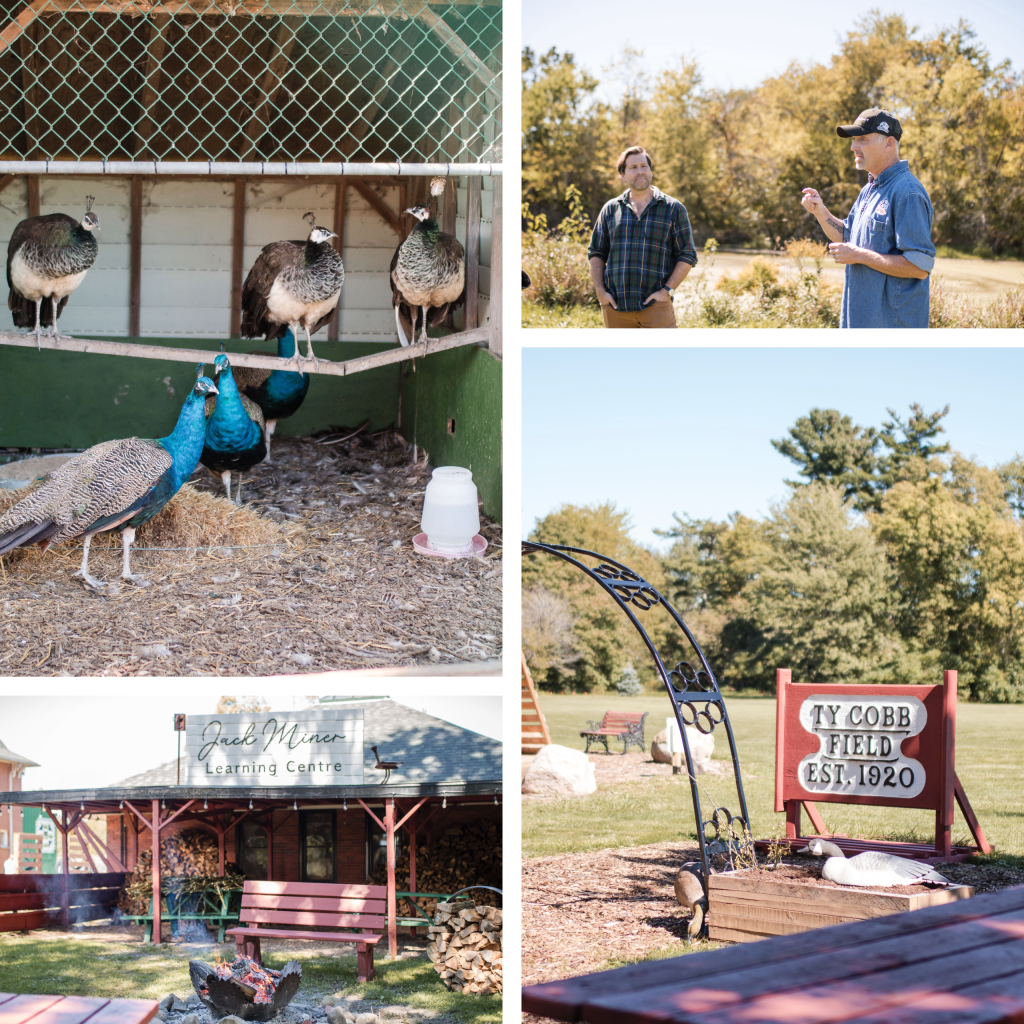
This spring, the Sanctuary launched Jack Miner Experiences, its most immersive offering yet. The half-day experience includes a tour of the historic buildings, a live bird banding demonstration, the chance to build your own bird band, and lunch inside Jack Miner’s home. The full-day package adds sunrise access to the pond-side photography blind, conservation workshops, and dinner at The Banded Goose Brewery & Taproom. For anyone who isn’t ready to leave, the Sanctuary’s lodge, Jack’s Landing, is available for overnight stays.
And every year on the third weekend of October, the Sanctuary hosts its Migration Festival, a celebration of the season this place was built for.
If your memory of Jack Miner’s ends with a field trip, it might be time to go back. And if you didn’t know it was here at all, now’s your chance to experience a place that stays ingrained in our memories.