Brentwood Recovery Home rebuilds lives in the wake of addiction
Addiction recovery goes deeper than overcoming substance use. Addiction erodes the foundations of our lives, ending relationships, losing jobs, fostering isolation and self-loathing. However, meaningful recovery could be the bridge to rebuilding trust with family, returning to work, establishing healthy routines, and finding a sense of belonging after a difficult period in life.
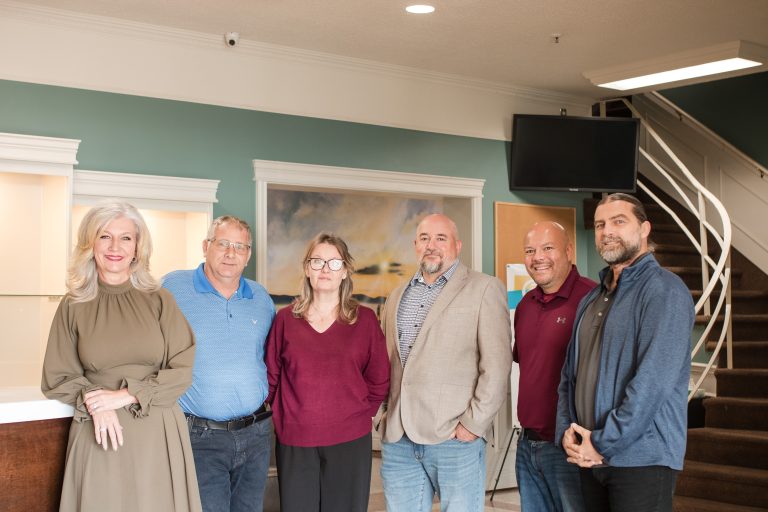
Brentwood Recovery Home, located in Windsor, has been giving people facing addiction a second chance at life since being founded as Charity House in 1964.
Founded by Fr. Paul Charbonneau, along with Jim and Kay Ryan, Brentwood has served more than 25,000 people, offering residential addiction treatment alongside family services, medical support, and ongoing recovery resources.
“We know substance use can affect parents, children, spouses, workplaces, neighbourhoods, healthcare systems, and the broader economy,” says Brentwood executive director Dr. Sonja Grbevski. “Treatment saves lives. It restores families. It strengthens communities and can reduce the enormous social and economic costs associated with untreated addictions.”
Rebuilding relationships
Addiction often places strain on the family, leaving loved ones dealing with unpredictability, financial difficulties, and broken trust. The effects of addiction often extend to the children growing up in households as well. Families can spend what feels like an eternity worrying about the safety of someone they love, never knowing what might happen next.
“Families can spend years living with the uncertainty,” she explains. “It’s when you’re constantly waiting for the other shoe to drop and wondering whether their loved one is going to be safe or not.”
There can be so many dynamics. When it is a child in the throes of addiction, parents may feel helpless watching. Within a marriage, partners can find themselves taking on a caregiver role. Brentwood sees that families also need support when loved ones battle addiction. They offer a child and youth support group for children whose parents or grandparents are in recovery, along with support groups for family members and other relatives. These services recognize that recovery can affect an entire family, not just the person receiving treatment.
Finding connection
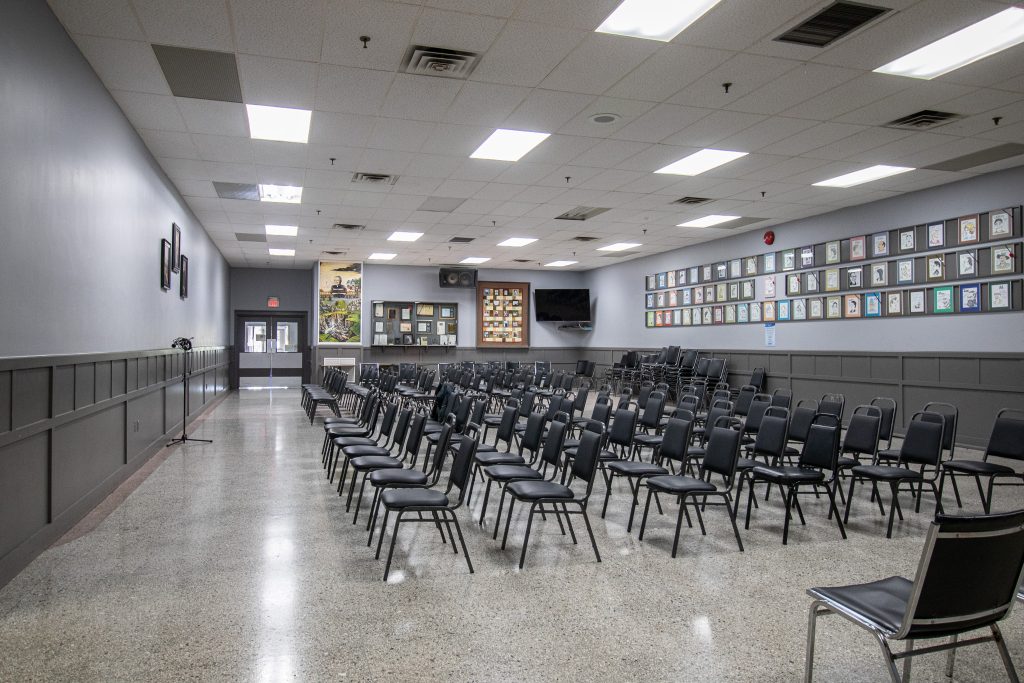
In addiction, although seeking treatment is an important step towards change, the process can feel isolating. Brentwood’s approach combines professional care with peer support, with the help of staff who draw on their own experiences with recovery, creating a connection with others who understand the challenges and can make a meaningful difference.
“Recovery can be very lonely,” states Grbevski. “Often it’s through the help of other individuals and sharing with other individuals where the recovery actually happens.” That sense of connection continues through Brentwood’s alumni fellowship, which provides ongoing support after residential treatment ends. People beginning their recovery journey can learn from others who have maintained their sobriety for years, including alumni who have been in recovery for decades.
“It is people caring for people,” explains Grbevski. “The number of individuals that we have that are still part of our fellowship have 35, 45 years of being clean and sober.” Their experiences offer examples of what life can look like beyond treatment, helping people understand that recovery can be a continuing journey supported by others.
Putting in the work
From the outside looking in, one could easily underestimate the hard work behind the practical support within the walls of Brentwood. Alongside group sessions and relapse-prevention work, clients have access to many medical services, including a psychiatrist, family doctor, and nursing staff—with a focus on the individual as a whole, not just the addiction.
Staff members with lived experience also share their stories about the approaches they use to maintain their recovery. “Twice a day, every single day, an individual can stop in for the support and to hear a message,” says Grbevski. “They hear a message from either someone who is celebrating an anniversary of so many years of sobriety, someone who just started their recovery journey, or staff.”

Building a future
If needed, Brentwood’s support doesn’t end when someone completes a three-month residential treatment program. The organization also offers transitional housing. “We allow individuals after the three-month program to stay with us for another six months,” explains Grbevski. “Whether it’s someone who wants to finish their high school diploma, help with interviews, get them ready for work, get them into housing, those are all the different elements.”
The transition back into everyday life looks different for everyone. It could means returning to work or reconnecting with loved ones. For others, it means learning to stand on their own two feet. However, the decision to seek treatment ultimately has to come from within, even when family members are encouraging someone to take that step.
Grbevski also emphasizes the importance of maintaining healthy boundaries while remaining compassionate toward a loved one who is struggling.
At Brentwood, the broader purpose of recovery is helping people to move forward, learn from past experiences, and build a life that reflects their goals. That work reaches beyond the walls of the recovery home, and if done right, can affect family relationships, strengthen connections, and help people find their place in the community again.
Adds Grbevski, “The hardest aspect is just making that decision to move forward, move into treatment, and letting go of the past life, learning from your past experiences, and then creating a life that you see yourself in and for those that are important to you.”