

Restored Lancaster bomber could launch a new era
Don Christopher is working his way out of a job and he couldn’t be happier.
Christopher is one of about 10 volunteers restoring Windsor’s 80-year-old Lancaster bomber and as the end of their labour looms, excitement grows at the prospects of displaying the magnificent flying machine as the pride of the city’s Canadian Aviation Museum.
“We had to disassemble this plane and clean it up. Every part you take off, you say, ‘wow, how did they design this?’” marvels Christopher. When the plane was built during the Second World War, “everything was done on drafting boards with slide rules and pencils.”
The restoration of the “Lanc”, which sat for years atop a plinth in Jackson Park, marks an important moment in what looks like a landmark year for the museum. Museum president John Robinson plans to launch a fundraising campaign that will finance a whole new look.
Tucked away into a corner of Windsor Airport, the museum might fly under the radar of many, but it displays vintage planes and recounts fascinating tales from the city’s story of flight. Every year, 5,000 to 6,000 people, including 2,000 school children, visit the museum and learn about Windsor’s, and Canada’s part in the Second World War air campaign.
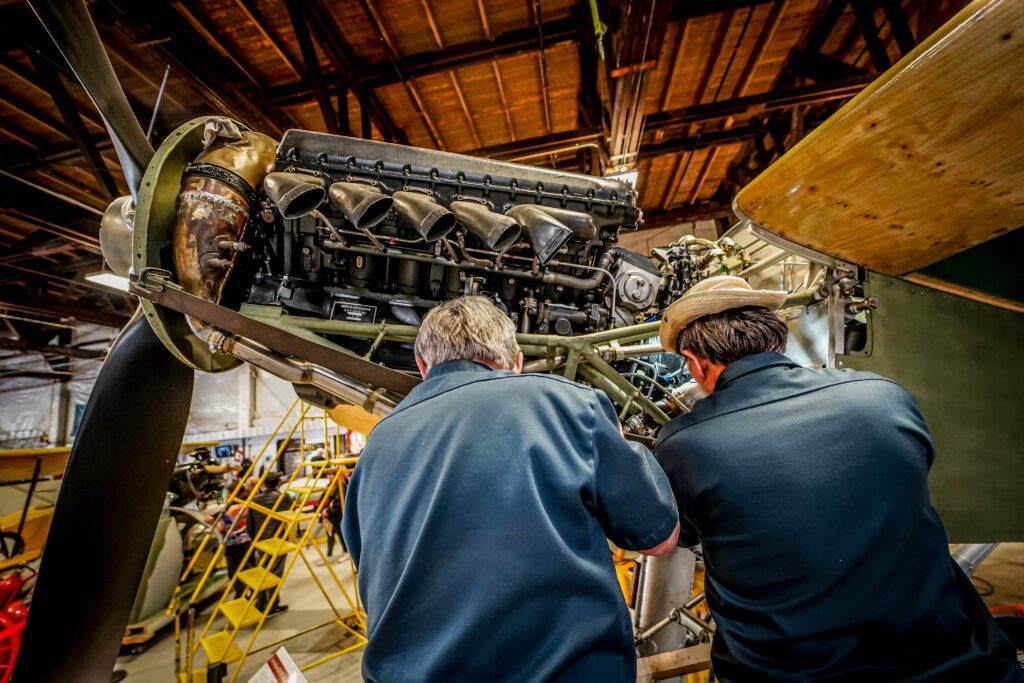
Visitors have been watching Christopher’s team meticulously restore the Lancaster bomber, backbone of the British and Canadian air forces during the war. Windsor Mayor Drew Dilkens points out this Lanc is one of just 17 remaining and as such it “is an important historical artifact.”
Ironically in the city of the Windsor Spitfires Junior A hockey team, there are no Spitfire fighters in the museum’s arsenal. Instead, the Lanc reigns supreme.
Avro Lancaster FM212, as it was christened coming off the Victory Aircraft assembly line at Malton in 1945, arrived too late to the war effort to play a part. It proved its value mapping the Canadian Arctic during the Cold War, and later on Maritime patrol, search and rescue. Windsor’s Lanc was one of 7,377 produced for the war effort, including 430 in Canada.
The city purchased the derelict aircraft in 1964 and it sat in Jackson Park for 40 years until a study showed it was falling apart. The plane was hauled to a hangar on the site of the Second World War flight school that operated at the airport from 1940 to 1944. Restoration plans began.
Christopher, a former IT worker with no experience in aviation, joined the restoration project after he encountered Sam Dunsieth, who was a tail-gunner in another Lanc. Dunsieth’s harrowing tale of escaping his plane after it was struck by enemy fire inspired Christopher to help put Windsor’s Lancaster back together.
The restoration has been no assemble-by-the-numbers effort, and the hunt for parts has taken restorers around the world. About 90 per cent of the plane is being rebuilt with original parts but when they can’t find a part, they use blueprints to build it.
There have been exciting moments along the way. Volunteers were sometimes approached by someone who’d say, “I flew in one of those,” or “I worked on one,” and then treated to their stories.
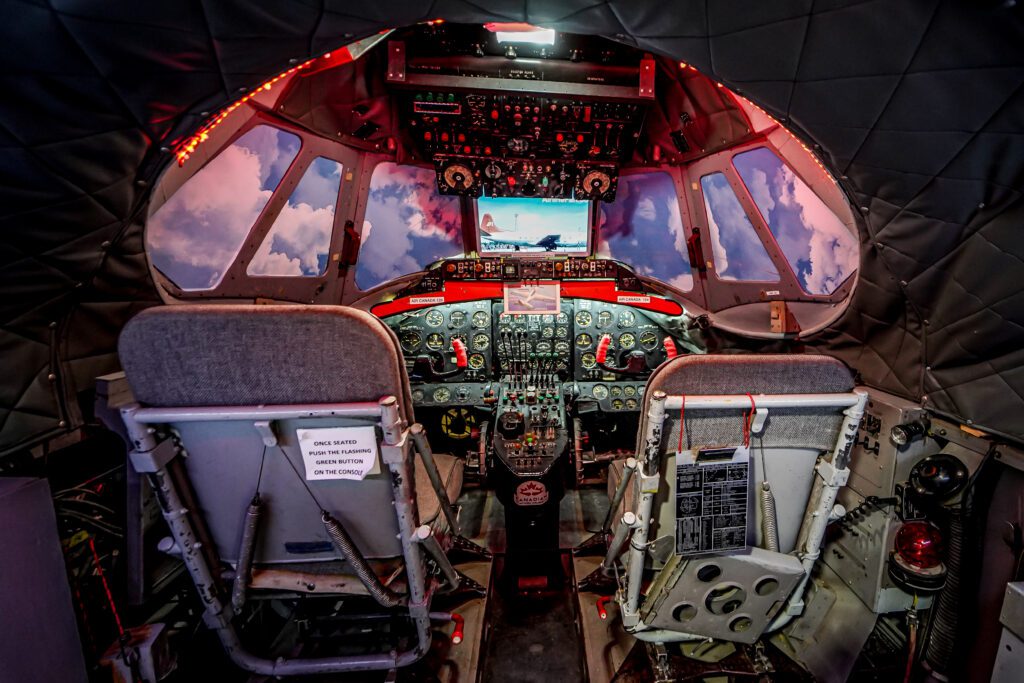
Only two surviving Lancs are air-worthy, and this particular plane will never fly because to get Transport Canada flight approval, the team would have needed paperwork for every rivet and bolt, says Christopher. That was too expensive. It will, however, be taxied onto the runway once the wings are installed, and on-the-ground rides will be sold.
Once the restoration is complete, FM212 will become the poster child for what museum president John Robinson says will be an expanded Canadian Aviation Museum.
Robinson says the museum board is negotiating with the City of Windsor, which currently owns the aircraft, to take control so that the museum can apply for grants. Once they own the plane, they will kick off a capital campaign to finance expansion. The Lancaster FM212 is to get its own display hangar.
Dilkens says talks over the plane’s ownership are ongoing and he anticipates an agreement. “I applaud the work that has been done by the folks at the (museum)…to move forward with (the plane’s) restoration and display,” he says.
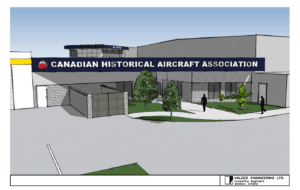
Besides the Lanc’s new hangar, plans include a classroom for the 364 Lancaster Squadron of Royal Canadian Air Cadets, a stunning new entranceway, restaurant and meeting space.

Canadian Aviation Museum
* Location: 2600 Airport Road, Windsor
* Hours: September to June, Thursday, Friday 10-3; Saturday 10-4. Summer hours are Tuesday to Saturday, 10-4. Phone 519-966-9742.
* Rides to the public are available in vintage Yellow Bird training planes.
* 364 Lancaster Squadron exists to let youth in Windsor-Essex “learn, lead, fly and have fun.”; Phone 519-256-5906. Email 364@cadets.gc.ca.
The Windsor Spitfires Story
* Canada’s No. 417 Squadron became the “City of Windsor” squadron after its commanding officer, F.B. Foster, wrote to the mayor in 1943 asking that they be “adopted.”
* While most Canadian squadrons were affiliated with a Canadian city already, the 417 was stationed in the Middle East and had been overlooked. A vote was taken among squadron personnel on which city to approach. Windsor was chosen because two-thirds of the squadron’s transport members were from the city.
* Windsor residents embraced the idea and cemented relations with the squadron. “City of Windsor” was painted on the noses of their Spitfire fighter planes.
* The hockey connection began in 1946 although the team eventually left town. The modern-day Windsor Spitfires team was established in 1971.