Winemaking thrives in the place it first sprouted
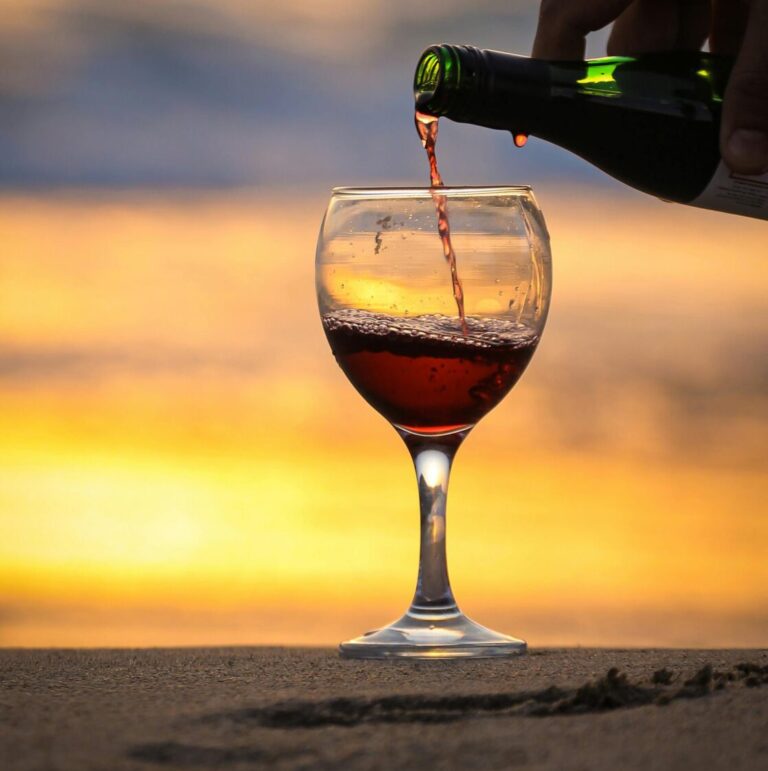
When Essex County’s vintners got to work this summer hauling in the latest crop of grapes, they were continuing a tradition that began nearly 160 years ago – in 1866 – when three Kentucky winemakers decided to put down roots on Pelee Island.
Essex County winemakers boast a proud history that includes producing North America’s first champagne-style wine and Canada’s first ice wine. You see, contrary to what many believe, Canadian winemaking didn’t begin in Niagara – it was born on Pelee Island.
It began when D. J. Williams, disillusioned by the outcome of the American Civil War, abandoned his native Kentucky for the bucolic beauty of Pelee Island. D.J., his brother, Thomas, and friend Thaddeus Smith joined forces to stake out a spot on Pelee’s northwest corner and planted 25 acres of native Vitis labrusca grapes. Their Smith, Williams & Co. built an imposing stone winery and christened it Vin Villa.
While other small growers had made limited quantities of wine in other parts of Canada, this was the first time winemaking had been elevated to the status of a commercial enterprise.
By the 1890s, 22 wineries were spread across the county from Pelee Island to Windsor. Their sparkling champagne-style wines, sweet ports, cognacs, brandies and sacramental wines became world-renowned. Pelee-produced wines were talk-of-the-town at the 1900 Paris Exposition.
But the industry’s progress was not without its setbacks. The rise of the Temperance movement and the increasing popularity of tobacco had grape growers ripping out acres of vines by the 1920s. By mid-century, changing consumer tastes meant wine made from native labrusca grapes was falling out of favour and the industry became dominated by European hybrid varietals made from vinifera grapes.
The introduction of those hybrids resurrected the Canadian wine industry starting in the 1960s, but these new plantings took place mostly in Niagara. That region’s rebirth was well under way when, in 1979, Austrian winemaker Walter Strehn led a group to create the modern-day Pelee Island Winery. At about the same time, Italian wine master Carlo Negri was hired by local businessmen to establish Colio Estate Wines. Finally, the wine resurrection had spread to the place where it all began.

Today, about 1,200 acres of Essex County farmland is devoted to grapes. Pelee Island accounts for about 700 acres, all of which is used by Pelee Island Winery.
Pelee is the largest winery in this region and the largest privately owned “estate” winery in Canada – meaning every step from vine to bottle is handled inhouse. In producing up to 350,000 cases a year, Pelee is one of the largest winemakers in the country.
Smaller Essex wineries produce 2,000-6,000 cases a year. Some import Niagara grapes to fulfill their needs.
Annemarie Heikenwalder is managing director of Pelee Island Winery. She says the company emphasizes its island birthplace because it “makes us who we are. The island’s story of wine is unique in Canada. The island is our heart and soul. Every sip you take should take you to the island, to understand the story of the island.”
Tom O’Brien opened Coopers Hawk Vineyards in 2011 and was quick to recognize the benefits of joint promotion. O’Brien led the campaign to establish the EPIC (Essex, Pelee Island Coast) organization. EPIC partnered with Tourism Windsor Essex Pelee Island to promote wine-based tourism.
Now, says Gordon Orr, CEO of the tourism group and CEO of Invest Windsor Essex, vintners help to frame the culture of Windsor-Essex. From quaint family-run estates to “the opulent and the grandiose,” Orr says wine has helped to create a sensory experience and spawned new lodging options, unique restaurants and festivals year-round.
Even though winemaking began here, Essex County has fallen under the shadow of the much larger Niagara region for the past half-century, but is that about to change?
Pelee Island Winery’s Heikenwalder says they have exciting new plans in store that could be a gamechanger. While she won’t reveal details, she says a new wine varietal that barely registers in Ontario will be production-ready in about two years. When it is unveiled, “it’s going to differentiate our region from Niagara,” she says.
When that happens, Canadian wine lovers could find themselves looking at the place where commercial winemaking began in a whole new light.

WINE FACTS
*Vin Villa: While the original structure burned in 1963, the ruins remain on Pelee Island. The underground wine cellar remains and wine-tasting tours are offered from May to October (peleeislandadventures.com).
*Pinot grigio is the No. 1-selling grape varietal in Ontario.
*White wines account for about 60% of Ontario wine sales.
*Pinot noir is Pelee Island Winery’s No. 1 selling red.
*As part of its environmental program, Pelee Island Winery returns the wine skins to the island for composting.
*The Essex County grape harvest can begin as early as August 15 and finish as late as December; it normally extends 6-8 weeks.
*The Lake Erie North Shore wine region sits at the same latitude as northern California and Tuscany, and farther south than France’s Bordeaux and Burgundy regions.
*With hot summers and long autumns, the region is known for its sun- and heat-loving cabernet franc and sauvignon varietals, as well as rieslings and chardonnays.